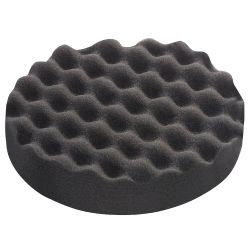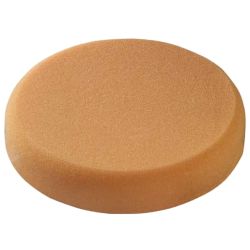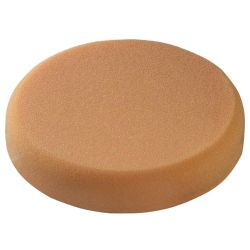
FESTOOL PS-STF-D150x30-M-OCS/5 Orange Medium Polishing Sponges 150mm 5 Pack
- Stock: In Stock
- Model: FES493853 6676
- Weight: 0.25kg
- Dimensions: 17.00mm x 15.20mm x 15.20mm
- SKU: FES493853
- UPC: 4014549066539
Festool PS-STF-D150x30-M-OCS/5 Orange Medium Polishing Sponges
At a Glance: Medium-grade orange 150 mm polishing sponges with PoliStick hook-and-loop attachment, designed for preliminary polishing when repairing paint defects. 30 mm thick and supplied in a professional pack of 5.
The Festool PS-STF-D150x30-M-OCS/5 is a professional medium-grade polishing sponge developed for preliminary polishing and the correction of defects in painted and lacquered surfaces. Its orange foam identifies the medium polishing grade within Festool's traditional colour-coded polishing system, providing more corrective action than a fine finishing sponge while remaining suitable for controlled polishing of quality surfaces. The generous 150 mm diameter covers larger areas efficiently, while the 30 mm foam thickness provides useful cushioning and allows the sponge to adapt comfortably to the workpiece during polishing. Festool's PoliStick hook-and-loop attachment makes fitting and changing the sponge quick and secure. Originally specified for the Festool RO 150 and RAP 150 polishing systems with the appropriate 150 mm polishing pad, these sponges are particularly useful in automotive refinishing, furniture finishing, woodworking and professional paintwork where sanding marks, local paint defects and other imperfections need to be refined before the final polishing stage.
This orange Festool sponge is classified as a medium polishing pad. Festool specifically designed it for preliminary polishing when correcting flaws in paintwork. It provides greater corrective action than a fine finishing sponge, making it an excellent intermediate step after appropriate fine sanding and before final finishing or high-gloss polishing.
Product highlights
- Medium polishing grade: Designed for preliminary polishing and correction of defects in painted surfaces.
- Festool orange identification: Orange identifies the medium polishing sponge within Festool's traditional polishing system.
- 150 mm diameter: Provides efficient coverage for vehicle panels, furniture surfaces and other larger workpieces.
- 30 mm foam height: Substantial sponge thickness provides cushioning and helps the pad conform to the workpiece.
- PoliStick attachment: Hook-and-loop backing allows fast installation and removal from a compatible polishing pad.
- Ideal for preliminary polishing: Particularly effective after appropriate surface preparation and before finer finishing stages.
- Paint-defect correction: Developed specifically to help polish out imperfections in paint and lacquer systems.
- Controlled polishing action: Medium foam provides a useful balance between correction and surface refinement.
- RO 150 compatible: Suitable for the Festool ROTEX RO 150 when equipped with the correct 150 mm polishing pad.
- RAP 150 compatible: Designed for the Festool RAP 150 rotary polisher with the appropriate polishing pad.
- Professional 5-pack: Convenient workshop quantity for regular polishing and refinishing work.
- Automotive and woodworking applications: Suitable for professional vehicle refinishing, furniture finishing and painted wood surfaces.
Product Compatibility
- Festool RO 150: Suitable for the Festool ROTEX RO 150 when fitted with the appropriate 150 mm polishing pad.
- Festool RO 150 FEQ: Compatible with the ROTEX RO 150 FEQ polishing system using the Festool PT-STF D150 FX-RO150 polishing pad.
- Festool RAP 150: Suitable for the Festool RAP 150 rotary polisher using the appropriate 150 mm PoliStick polishing pad.
- 150 mm PoliStick polishing pads: Designed for compatible Festool hook-and-loop polishing pads.
Compatibility note: The PS-STF-D150x30-M-OCS/5 is a 150 mm polishing sponge and requires the appropriate Festool polishing pad. It should not be fitted directly to a sanding pad simply because the diameter is the same.
Features
- Medium foam hardness: Provides the corrective action required for preliminary polishing and paint-defect refinement.
- Orange foam: Easy visual identification of the medium Festool polishing grade.
- 150 mm nominal diameter: Suitable for efficient polishing of medium and large surfaces.
- 30 mm height: Provides cushioning between the machine and workpiece while allowing the sponge to follow gentle contours.
- PoliStick backing: Secure hook-and-loop attachment permits rapid pad changes without adhesives or mechanical fastening.
- Professional polishing accessory: Developed as part of Festool's coordinated surface-finishing system.
- Five-piece pack: Keeps replacement polishing sponges readily available during regular professional use.
Benefits
- Effective defect correction: Medium foam helps remove or reduce appropriate paint imperfections during the preliminary polishing stage.
- Controlled cutting action: Provides more corrective ability than fine finishing foam without moving directly to an extremely aggressive polishing medium.
- Efficient large-area polishing: The 150 mm diameter makes it practical for vehicle panels, furniture components and other broad surfaces.
- Improved contour following: The 30 mm-thick foam provides useful flexibility over gently shaped or curved surfaces.
- Fast pad changes: PoliStick attachment allows different sponge grades to be exchanged quickly as the polishing process progresses.
- Consistent polishing system: Festool's colour-coded sponge range makes it easier to match the polishing stage to the required surface finish.
- Suitable for professional workflows: The five-piece pack is ideal where clean pads need to be rotated frequently during polishing.
- Excellent versatility: Useful across automotive refinishing, painted furniture, lacquered woodworking and professional finishing applications.
Application
- Preliminary polishing of painted surfaces.
- Correcting suitable paint defects.
- Refining surfaces after appropriate fine sanding.
- Removing suitable sanding traces before final finishing.
- Automotive paint correction.
- Automotive refinishing.
- Polishing lacquered furniture.
- Polishing painted and clear-coated wood surfaces.
- Furniture manufacturing and refinishing.
- Professional painter and decorator applications.
- Preparation before finer finishing or high-gloss polishing stages.
Extra Information
- What does PS mean? PS identifies the product as a Festool polishing sponge.
- What does STF mean? STF denotes Festool's StickFix/PoliStick hook-and-loop attachment principle, allowing the polishing sponge to be attached securely and removed quickly.
- What does D150 mean? D150 identifies the sponge's nominal diameter of 150 mm.
- What does x30 mean? The polishing sponge is 30 mm high, providing a substantial foam layer between the polishing pad and workpiece.
- What does M mean? M denotes the medium polishing grade. Festool specifies this orange medium sponge for preliminary polishing when repairing defects in paintwork.
- What does /5 mean? The package contains five individual polishing sponges.
- Why use a medium sponge? A medium polishing sponge bridges the gap between aggressive correction and fine finishing. It is intended to refine appropriate defects while leaving the surface ready for a subsequent finer polishing stage where required.
- Why 30 mm thick? The deeper foam provides useful cushioning and flexibility, helping the polishing face follow gentle curves while reducing the tendency of the rigid machine pad to contact the workpiece.
- Festool colour coding: Festool's traditional polishing system uses different sponge colours and foam grades for different polishing stages. Orange denotes the medium corrective sponge in this range.
- Clean pads are important: Dried polish, sanding particles or other contamination in the foam can introduce unwanted marks into a finished surface. Keeping polishing sponges clean is essential for predictable results.
- One compound per sponge: For high-quality finishing work, dedicate individual sponges to specific polishing compounds so coarse residue cannot contaminate a finer finishing stage.
The PS-STF-D150x30-M-OCS sits in the corrective or preliminary polishing stage. After defects have been levelled with the appropriate abrasive where necessary, the orange sponge can be used with a suitable polishing compound to refine the sanding pattern and correct paint imperfections. Depending on the required finish, the surface can then be polished further with a finer Festool sponge to maximise gloss and remove any remaining polishing traces.
Pro Tips
- Always start with the least aggressive polishing combination capable of correcting the defect. This avoids removing unnecessary coating thickness.
- Match the polishing sponge to an appropriate polishing compound and follow the compound manufacturer's recommendations for machine speed and working time.
- Apply a small quantity of compound evenly across the sponge before starting rather than concentrating a large amount in one spot.
- Spread the compound over the working area at low speed before increasing to the required polishing speed. This helps reduce splatter.
- Keep the sponge as flat as practical against broad surfaces to distribute pressure evenly and minimise localised heat.
- Avoid excessive pressure. Polishing performance comes from the combination of pad movement, compound and controlled contact rather than brute force.
- Work manageable sections rather than attempting to polish an entire large panel at once.
- Monitor surface temperature, particularly on automotive paint and sensitive lacquers. Excessive heat can damage the coating.
- Clean the sponge regularly during extended polishing. A pad saturated with spent compound and removed material becomes less effective.
- Never use a sponge contaminated with coarse sanding particles on a finished paint surface.
- Use separate sponges for different compounds and polishing stages to prevent cross-contamination.
- Inspect the finish under strong directional lighting before moving to the finer polishing stage.
- After defect correction with the orange medium sponge, use the appropriate finer polishing sponge where required to refine the finish and maximise gloss.
- Allow washed polishing sponges to dry completely before storing them in a clean, dust-free environment.
How to Use
- Inspect the painted or lacquered surface and determine whether medium preliminary polishing is appropriate for the defect being corrected.
- Make sure the surface is clean, dry and free from loose dust or abrasive contamination.
- Fit the correct 150 mm Festool polishing pad to the compatible RO 150 or RAP 150 machine.
- Centre the PS-STF-D150x30-M-OCS sponge carefully on the PoliStick hook-and-loop surface.
- Press the sponge evenly onto the pad so it is securely attached.
- Apply a suitable quantity of polishing compound to the sponge or workpiece according to the compound manufacturer's instructions.
- Place the sponge against the surface before operating the machine where recommended, helping prevent polishing compound from being thrown outward.
- Begin at a controlled speed and spread the compound over a manageable working area.
- Polish using smooth, overlapping passes while maintaining even pressure.
- Keep the sponge moving and periodically check both the finish and surface temperature.
- Continue until the required defect correction has been achieved.
- Remove polishing residue with a clean suitable microfibre cloth and inspect the surface under good lighting.
- If required, continue with a finer Festool polishing sponge and corresponding finishing compound.
- Clean the orange sponge appropriately after use and allow it to dry completely before storage.
Specifications
| Description | Spec |
|---|---|
| Brand | Festool |
| Cat No. | FES493853 |
| Festool Order No. | 493853 |
| Product Type | Polishing Sponge |
| Model | PS-STF-D150x30-M-OCS/5 |
| Colour | Orange |
| Polishing Grade | Medium |
| Diameter | 150 mm |
| Height | 30 mm |
| Attachment System | PoliStick Hook-and-Loop |
| Primary Application | Preliminary Polishing When Repairing Paint Defects |
| Compatible Machine Systems | RO 150, RAP 150 with Appropriate 150 mm Polishing Pad |
| Industry Applications | Automotive, Woodworking, Painting and Finishing |
| EAN / Barcode | 4014549066539 |
| Country of Origin | United Kingdom |
| Quantity | 5 Pieces |
Scope of Delivery:
- 5 x Festool PS-STF-D150x30-M-OCS orange medium polishing sponges
- Supplied in a carton
Safety
- Wear suitable eye protection when machine polishing, particularly when polishing compounds may be thrown from the rotating pad.
- Use the sponge only with a compatible polishing machine and suitable 150 mm polishing pad.
- Make sure the sponge is correctly centred and securely attached before starting the machine.
- Do not use a torn, heavily deteriorated or damaged polishing sponge.
- Check that the polishing compound is suitable for the paint, lacquer or surface being processed.
- Follow the polishing compound and coating manufacturer's safety instructions.
- Do not exceed the speed recommended for the machine, polishing pad, sponge or polishing compound.
- Keep the polishing sponge moving over the surface to avoid excessive local heat generation.
- Use particular care on edges, body lines and thinly coated areas where paint can be removed more rapidly.
- Keep loose clothing, hair and jewellery away from the rotating polishing machine.
- Switch off and isolate the machine before fitting, removing or cleaning the polishing sponge.
- Do not use a polishing sponge contaminated with grit, metal particles or other abrasive debris.
- Allow the polishing sponge to stop completely before lifting the machine away or setting it down.
- Follow the Festool polishing machine and accessory operating instructions before use.